
 Image 1 of 2
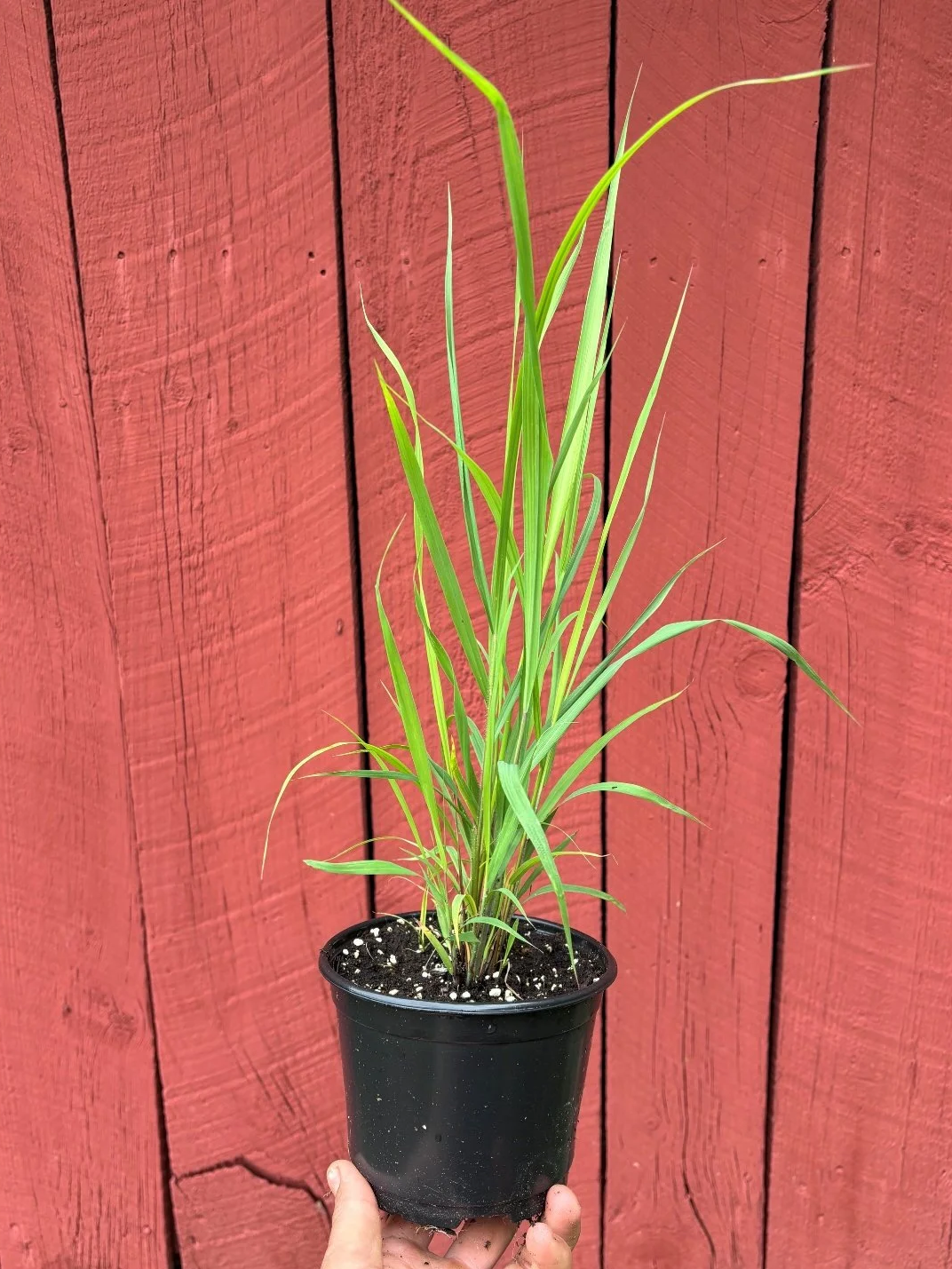 Image 2 of 2
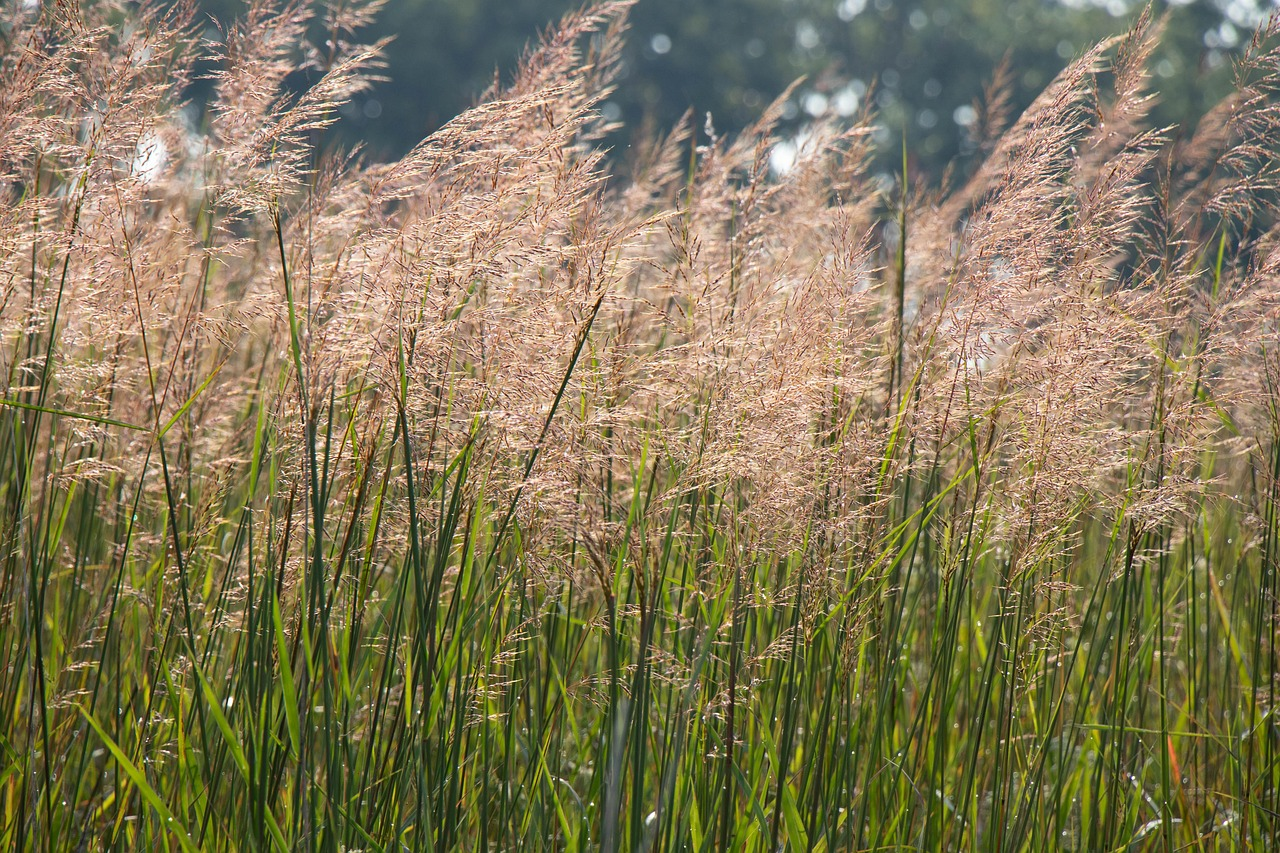
Yellow Indiangrass is a tall, warm-season native prairie grass known for its golden-yellow flower plumes and strong ecological value across central and eastern North America. All plants come in 1.5 quart pots.
Key facts:
Scientific name:Sorghastrum nutans
Family: Poaceae
Height: Typically 4–7 feet (1.2–2.1 m)
Growth habit: Upright, clumping perennial grass
Native range: Central and eastern United States
Seasonal appearance:
Spring: Blue-green basal leaves emerge
Summer: Tall green stems with narrow leaves
Late summer–fall: Showy golden-yellow to bronze flower plumes
Winter: Sturdy tan stalks remain upright for structure and wildlife use
Ecological importance:
Provides food and cover for birds and small mammals.
Seeds are eaten by songbirds such as sparrows and quail.
Supports insects and native prairie ecosystems.
Deep root system improves soil stability and drought resistance.
Distinctive features:
Tall, upright growth with strong, rigid stems.
Fluffy, golden seed heads that appear in late summer.
A small “hairy ligule” (collar-like feature) at the leaf base helps identification.
Often glows golden in sunlight during peak bloom.
Garden value:
Excellent for prairie plantings, restoration projects, and large native landscapes.
Provides dramatic vertical structure and late-season color.
Extremely drought tolerant once established.
Pairs well with wildflowers like blazing star, ironweed, coneflower, and goldenrod.
Summary:
Yellow Indian grass is a striking native prairie grass with tall golden plumes that light up late summer and fall landscapes. It is highly valued for its beauty, toughness, and important role in supporting native ecosystems.
Yellow Indiangrass is a tall, warm-season native prairie grass known for its golden-yellow flower plumes and strong ecological value across central and eastern North America. All plants come in 1.5 quart pots.
Key facts:
Scientific name:Sorghastrum nutans
Family: Poaceae
Height: Typically 4–7 feet (1.2–2.1 m)
Growth habit: Upright, clumping perennial grass
Native range: Central and eastern United States
Seasonal appearance:
Spring: Blue-green basal leaves emerge
Summer: Tall green stems with narrow leaves
Late summer–fall: Showy golden-yellow to bronze flower plumes
Winter: Sturdy tan stalks remain upright for structure and wildlife use
Ecological importance:
Provides food and cover for birds and small mammals.
Seeds are eaten by songbirds such as sparrows and quail.
Supports insects and native prairie ecosystems.
Deep root system improves soil stability and drought resistance.
Distinctive features:
Tall, upright growth with strong, rigid stems.
Fluffy, golden seed heads that appear in late summer.
A small “hairy ligule” (collar-like feature) at the leaf base helps identification.
Often glows golden in sunlight during peak bloom.
Garden value:
Excellent for prairie plantings, restoration projects, and large native landscapes.
Provides dramatic vertical structure and late-season color.
Extremely drought tolerant once established.
Pairs well with wildflowers like blazing star, ironweed, coneflower, and goldenrod.
Summary:
Yellow Indian grass is a striking native prairie grass with tall golden plumes that light up late summer and fall landscapes. It is highly valued for its beauty, toughness, and important role in supporting native ecosystems.