
 Image 1 of 2
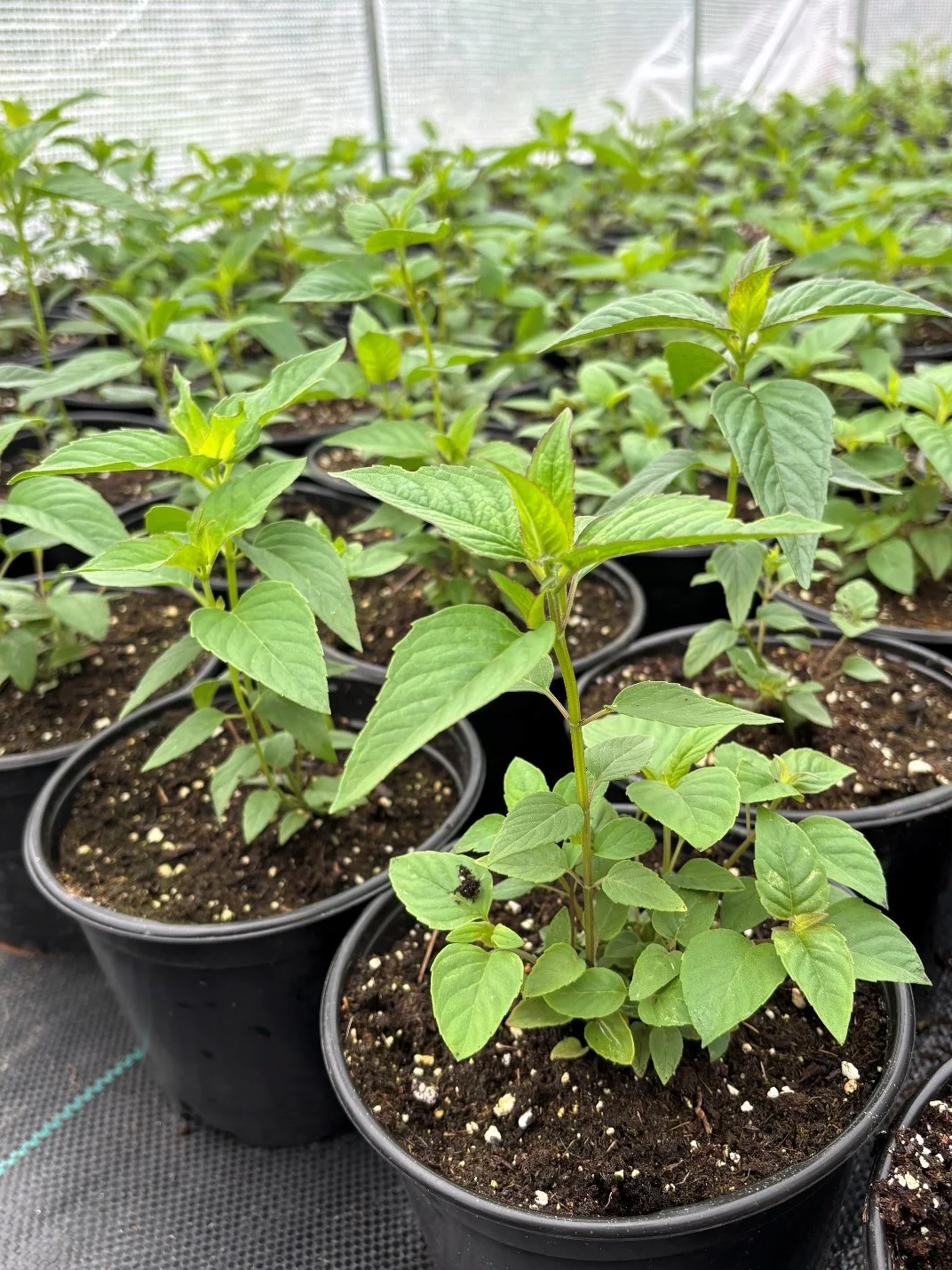 Image 2 of 2
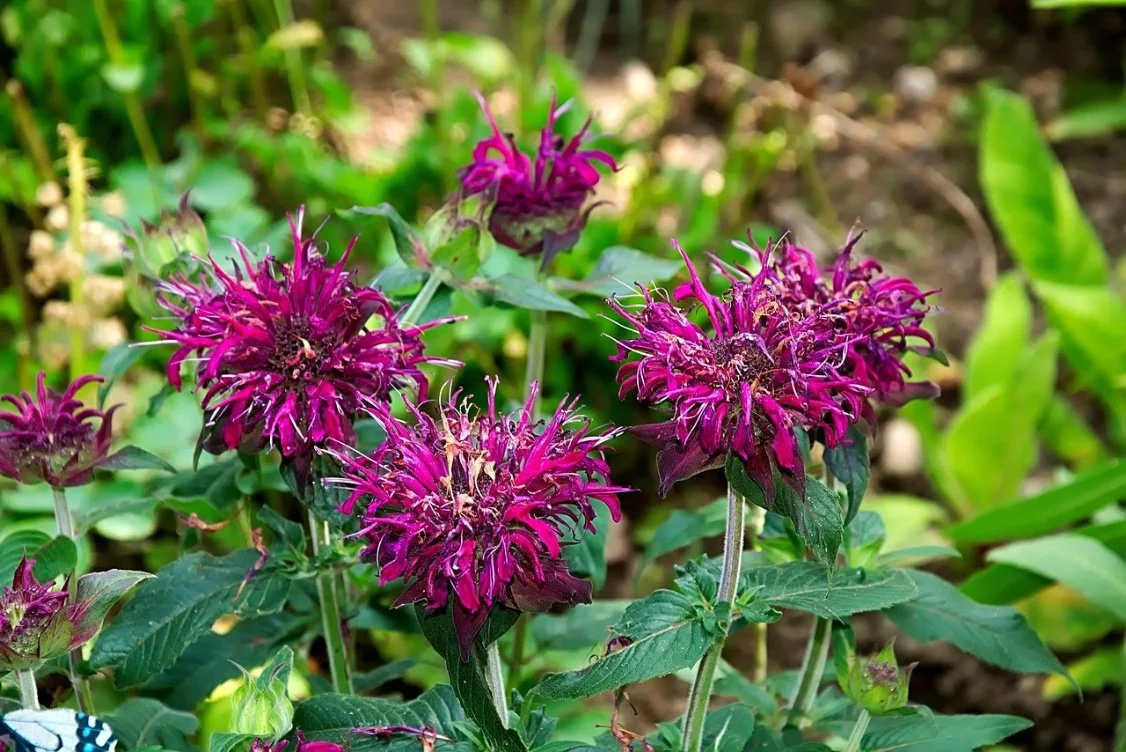
Wild Bergamot is a native perennial wildflower in the mint family known for its fragrant, lavender-colored blooms and strong pollinator appeal. It is one of the most widespread native Monarda species in North America. All plants come in 1.5 quart pots.
Key facts:
Scientific name:Monarda fistulosa
Family: Lamiaceae
Height: Typically 2–4 feet (0.6–1.2 m)
Bloom time: Mid to late summer
Flower color: Lavender to light purple (occasionally pink or white)
Habitat: Prairies, open woods, roadsides, and dry to medium-moist meadows
Growing conditions: Full sun to partial shade; adaptable and drought tolerant once established
Ecological importance:
A major nectar source for bees, butterflies, and hummingbirds.
Especially attractive to bumblebees due to its tubular flowers.
Supports a wide range of native pollinators during summer peak bloom.
Distinctive features:
Rounded flower heads made up of many tubular blooms.
Aromatic leaves with a thyme-oregano-like scent when crushed.
Square stems typical of mint family plants.
Spreads gradually by rhizomes to form colonies.
Garden value:
Excellent for pollinator gardens, native meadows, and cottage-style plantings.
Long bloom period and strong fragrance make it both ornamental and functional.
Relatively low maintenance and deer resistant.
Summary:
Wild bergamot is a fragrant, easy-to-grow native wildflower that produces soft purple blooms and provides important nectar for pollinators throughout summer. Its adaptability and ecological value make it a standout plant for native and wildlife-friendly gardens.
Wild Bergamot is a native perennial wildflower in the mint family known for its fragrant, lavender-colored blooms and strong pollinator appeal. It is one of the most widespread native Monarda species in North America. All plants come in 1.5 quart pots.
Key facts:
Scientific name:Monarda fistulosa
Family: Lamiaceae
Height: Typically 2–4 feet (0.6–1.2 m)
Bloom time: Mid to late summer
Flower color: Lavender to light purple (occasionally pink or white)
Habitat: Prairies, open woods, roadsides, and dry to medium-moist meadows
Growing conditions: Full sun to partial shade; adaptable and drought tolerant once established
Ecological importance:
A major nectar source for bees, butterflies, and hummingbirds.
Especially attractive to bumblebees due to its tubular flowers.
Supports a wide range of native pollinators during summer peak bloom.
Distinctive features:
Rounded flower heads made up of many tubular blooms.
Aromatic leaves with a thyme-oregano-like scent when crushed.
Square stems typical of mint family plants.
Spreads gradually by rhizomes to form colonies.
Garden value:
Excellent for pollinator gardens, native meadows, and cottage-style plantings.
Long bloom period and strong fragrance make it both ornamental and functional.
Relatively low maintenance and deer resistant.
Summary:
Wild bergamot is a fragrant, easy-to-grow native wildflower that produces soft purple blooms and provides important nectar for pollinators throughout summer. Its adaptability and ecological value make it a standout plant for native and wildlife-friendly gardens.