
 Image 1 of 2
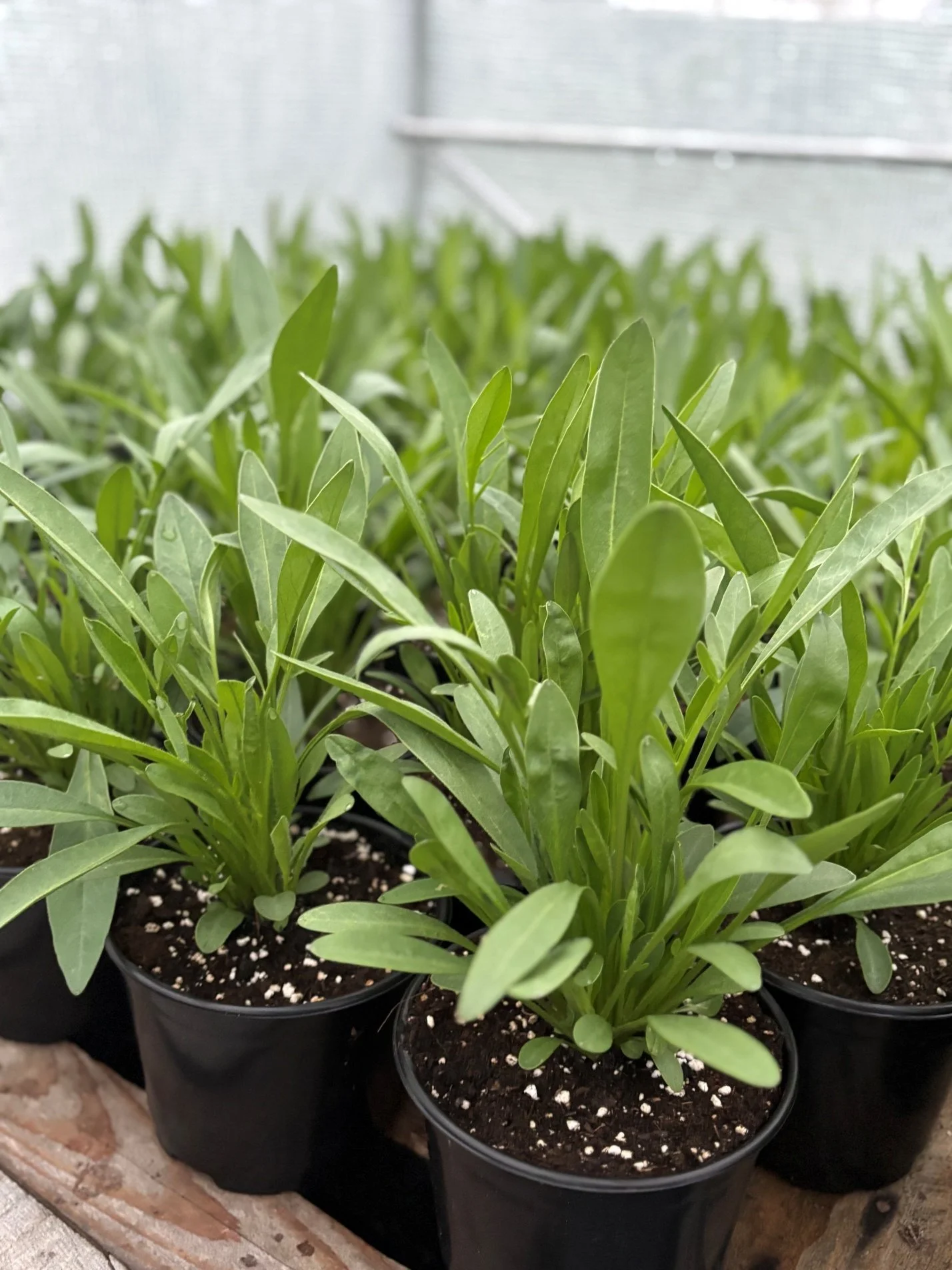 Image 2 of 2
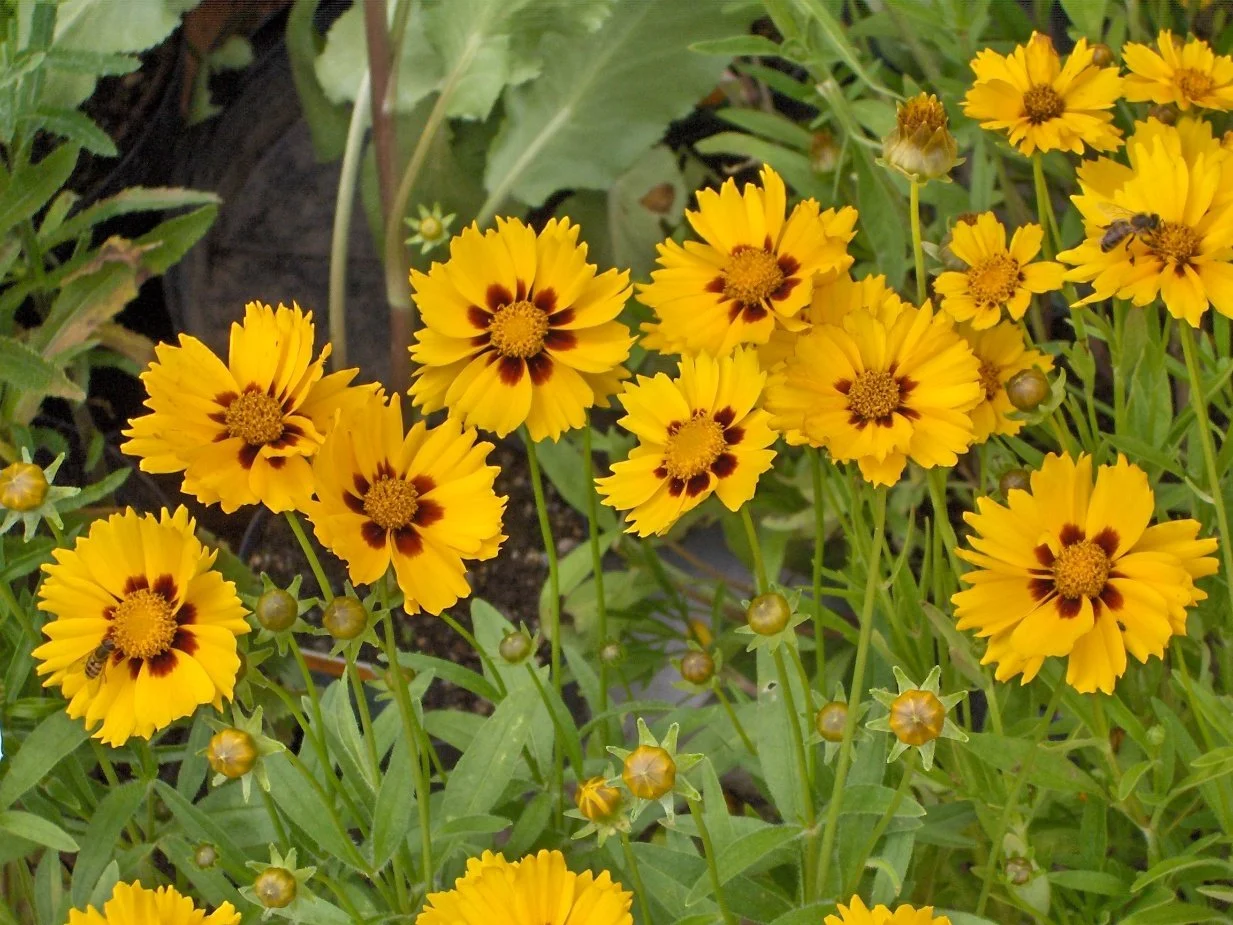
Lanceleaf Tickseed is a cheerful, yellow-flowering perennial wildflower native to much of eastern and central North America. It is valued for its long bloom period, ease of cultivation, and ability to attract pollinators. All plants come in 1.5 quart pots.
Key facts:
Scientific name:Coreopsis lanceolata
Family: Asteraceae
Height: Typically 1–2 feet (30–60 cm)
Bloom time: Spring through early summer, sometimes reblooming later
Flower color: Bright yellow with a yellow-orange center
Habitat: Prairies, open woodlands, roadsides, and dry meadows
Growing conditions: Full sun and well-drained soil; tolerant of drought and poor soils
Ecological importance:
Attracts a variety of native bees, butterflies, and other pollinators.
Provides nectar and pollen during the growing season.
Contributes to native plant diversity in meadows and restoration projects.
Distinctive features:
Produces daisy-like yellow flowers on slender stems.
Has narrow, lance-shaped leaves concentrated near the base of the plant.
Forms clumps that gradually spread over time.
Garden value:
Easy to grow and low-maintenance.
Excellent for wildflower gardens, borders, pollinator gardens, and naturalized areas.
Deadheading spent blooms can encourage additional flowering.
Summary:
Lanceleaf tickseed is a hardy native wildflower known for its bright yellow blooms, drought tolerance, and pollinator-friendly nature. Its long flowering season and adaptability make it a popular choice for native plant gardens and prairie-style landscapes.
Lanceleaf Tickseed is a cheerful, yellow-flowering perennial wildflower native to much of eastern and central North America. It is valued for its long bloom period, ease of cultivation, and ability to attract pollinators. All plants come in 1.5 quart pots.
Key facts:
Scientific name:Coreopsis lanceolata
Family: Asteraceae
Height: Typically 1–2 feet (30–60 cm)
Bloom time: Spring through early summer, sometimes reblooming later
Flower color: Bright yellow with a yellow-orange center
Habitat: Prairies, open woodlands, roadsides, and dry meadows
Growing conditions: Full sun and well-drained soil; tolerant of drought and poor soils
Ecological importance:
Attracts a variety of native bees, butterflies, and other pollinators.
Provides nectar and pollen during the growing season.
Contributes to native plant diversity in meadows and restoration projects.
Distinctive features:
Produces daisy-like yellow flowers on slender stems.
Has narrow, lance-shaped leaves concentrated near the base of the plant.
Forms clumps that gradually spread over time.
Garden value:
Easy to grow and low-maintenance.
Excellent for wildflower gardens, borders, pollinator gardens, and naturalized areas.
Deadheading spent blooms can encourage additional flowering.
Summary:
Lanceleaf tickseed is a hardy native wildflower known for its bright yellow blooms, drought tolerance, and pollinator-friendly nature. Its long flowering season and adaptability make it a popular choice for native plant gardens and prairie-style landscapes.