
 Image 1 of 2
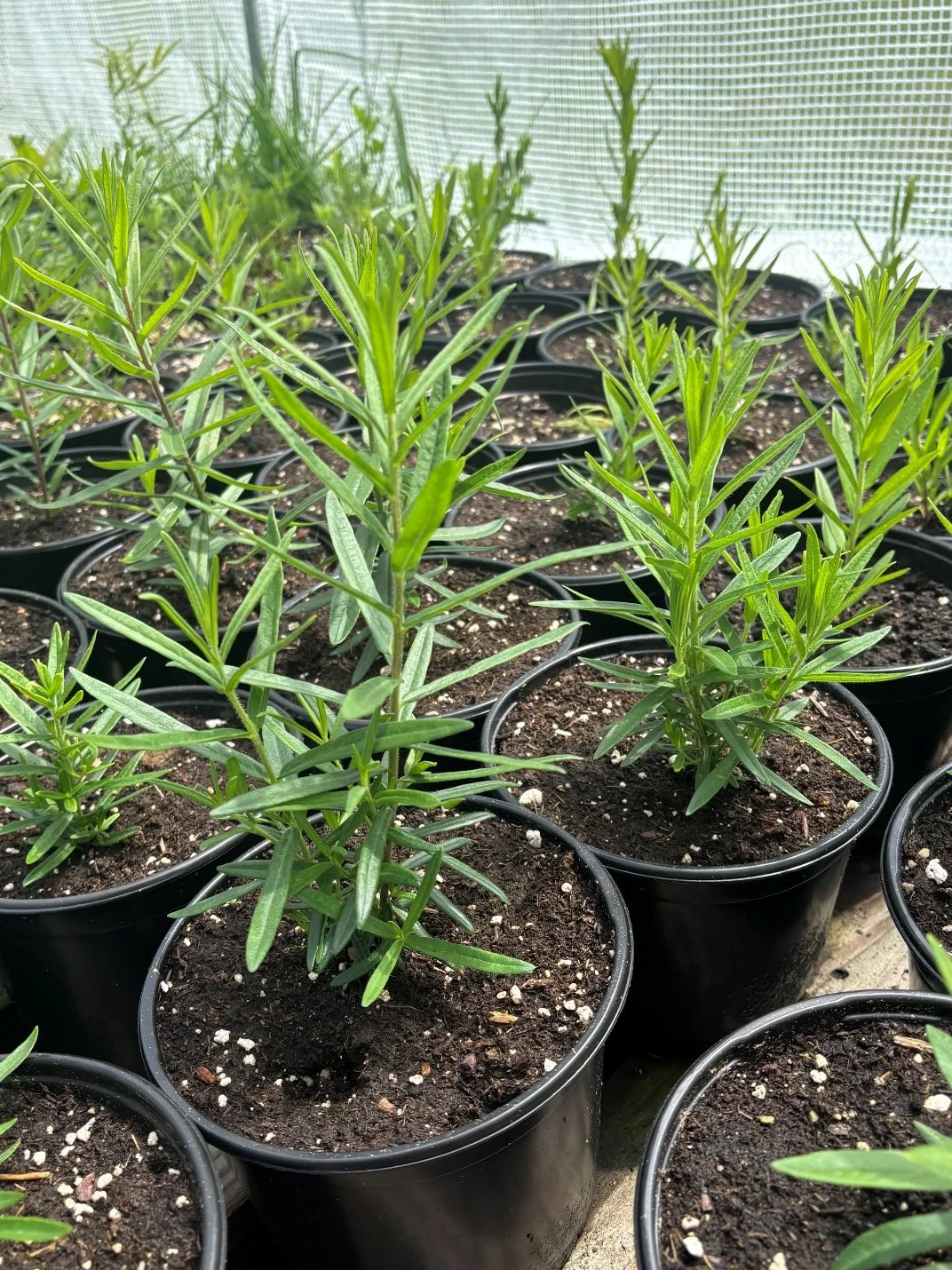 Image 2 of 2
Butterfly Milkweed is a bright, orange-flowered perennial native to much of North America. It is one of the most attractive and garden-friendly milkweed species, prized for supporting pollinators and serving as a host plant for monarch butterflies.
Key facts:
Scientific name: Asclepias tuberosa
Family: Apocynaceae
Height: Usually 1–3 feet (30–90 cm)
Bloom time: Late spring through summer
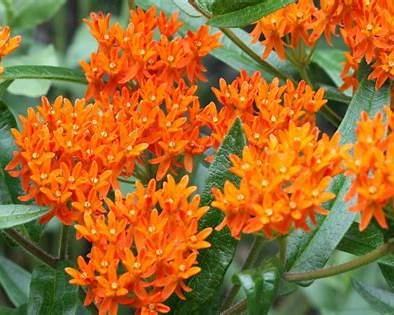
Flower color: Bright orange, sometimes yellow or red-orange
Habitat: Prairies, meadows, roadsides, and open fields
Growing conditions: Full sun and well-drained soil; highly drought tolerant once established
Ecological importance:
A host plant for Monarch Butterfly caterpillars.
Provides nectar for butterflies, bees, hummingbirds, and other pollinators.
Helps support native insect populations and biodiversity.
Distinctive features:
Produces clusters of vivid orange flowers.
Has narrow, lance-shaped leaves.
Unlike many other milkweeds, it contains little milky sap when stems are broken.
Garden value:
Excellent for pollinator gardens, native plant landscapes, and prairie restorations.
Low-maintenance and resistant to drought and poor soils.
Long-lived once established but may take a few years to develop a deep root system.
Summary:
Butterfly milkweed is a colorful native wildflower that combines ornamental beauty with significant ecological benefits. Its bright blooms attract many pollinators, while its leaves provide essential food for monarch butterfly caterpillars, making it one of the most valuable native plants for wildlife gardens.
Butterfly Milkweed is a bright, orange-flowered perennial native to much of North America. It is one of the most attractive and garden-friendly milkweed species, prized for supporting pollinators and serving as a host plant for monarch butterflies.
Key facts:
Scientific name: Asclepias tuberosa
Family: Apocynaceae
Height: Usually 1–3 feet (30–90 cm)
Bloom time: Late spring through summer
Flower color: Bright orange, sometimes yellow or red-orange
Habitat: Prairies, meadows, roadsides, and open fields
Growing conditions: Full sun and well-drained soil; highly drought tolerant once established
Ecological importance:
A host plant for Monarch Butterfly caterpillars.
Provides nectar for butterflies, bees, hummingbirds, and other pollinators.
Helps support native insect populations and biodiversity.
Distinctive features:
Produces clusters of vivid orange flowers.
Has narrow, lance-shaped leaves.
Unlike many other milkweeds, it contains little milky sap when stems are broken.
Garden value:
Excellent for pollinator gardens, native plant landscapes, and prairie restorations.
Low-maintenance and resistant to drought and poor soils.
Long-lived once established but may take a few years to develop a deep root system.
Summary:
Butterfly milkweed is a colorful native wildflower that combines ornamental beauty with significant ecological benefits. Its bright blooms attract many pollinators, while its leaves provide essential food for monarch butterfly caterpillars, making it one of the most valuable native plants for wildlife gardens.