
 Image 1 of 2
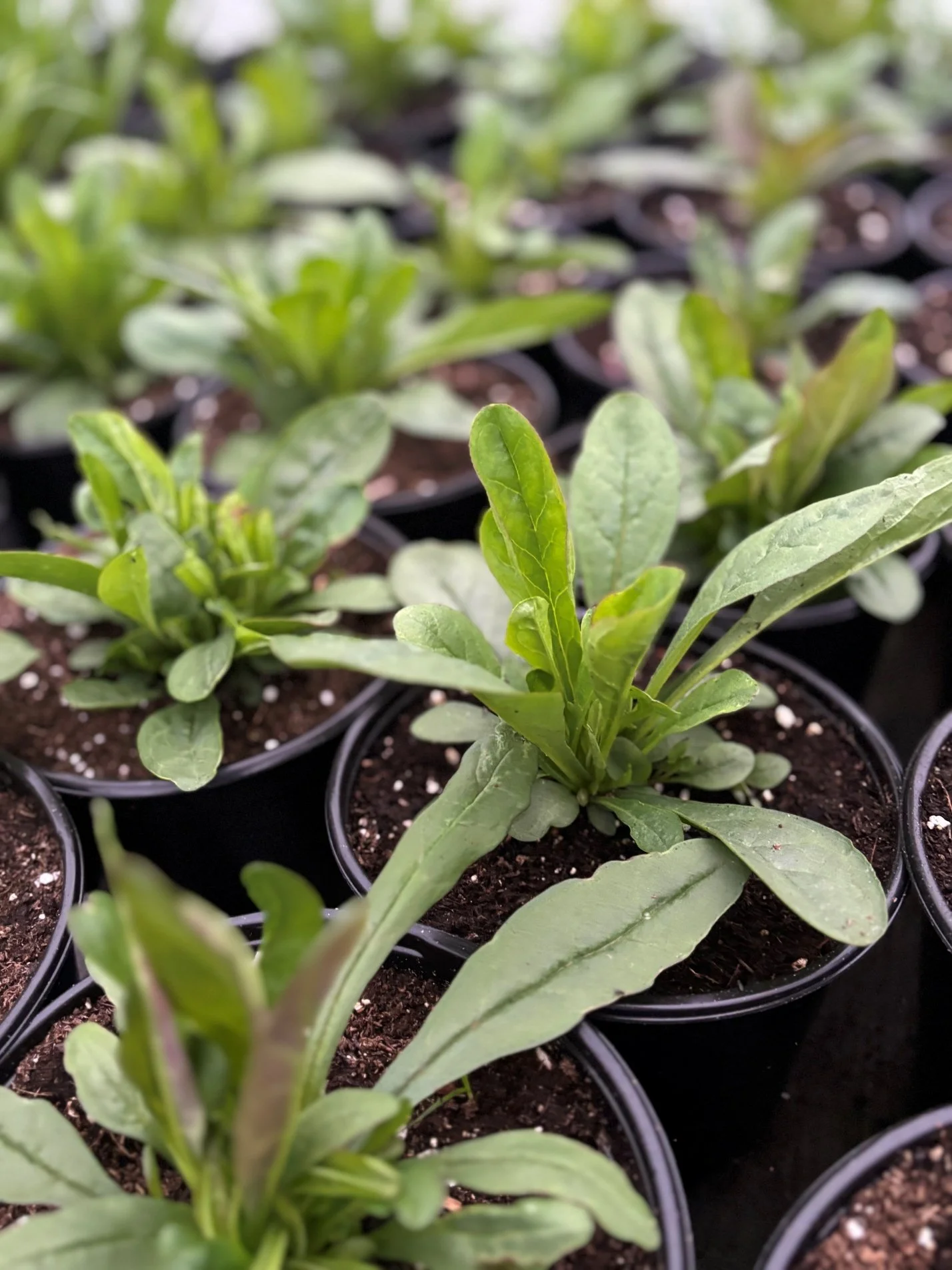 Image 2 of 2
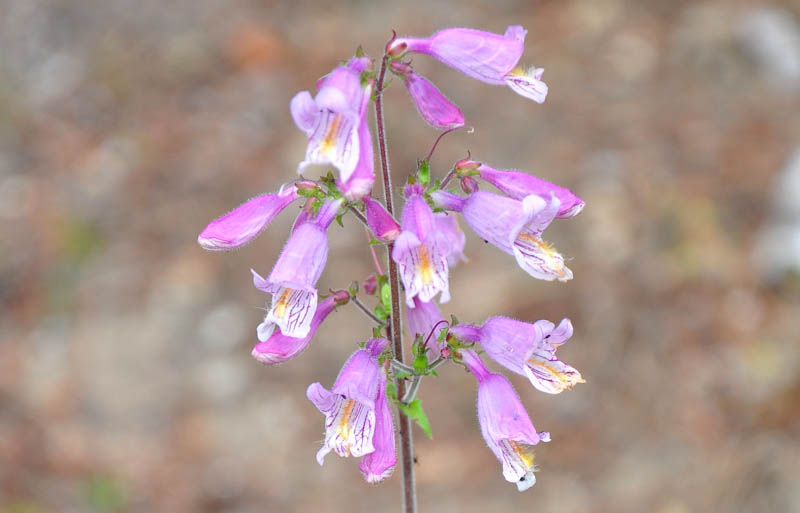
Appalachian Beardtongue is a native perennial wildflower found in the Appalachian region of the eastern United States. It is valued for its tubular, pale purple to lavender flowers that bloom in late spring and early summer. All plants come in 1.5 quart pots.
Key facts:
Scientific name: Usually Penstemon canescens (closely associated Appalachian beardtongue species group)
Family: Plantaginaceae
Height: About 1–3 feet (30–90 cm)
Bloom time: Late spring to early summer
Flower color: Lavender, pale purple, sometimes pinkish
Habitat: Dry woodlands, rocky slopes, forest edges, and open upland areas
Growing conditions: Full sun to partial shade; prefers well-drained, rocky or sandy soils
Ecological importance:
A strong nectar source for native bees, especially long-tongued bees adapted to tubular flowers.
Attracts butterflies and hummingbirds.
Supports early-season pollinators when fewer plants are blooming.
Distinctive features:
Slender spikes of bell-shaped, tubular flowers.
Slightly hairy or grayish stems and leaves (in many Appalachian forms).
Upright, airy growth habit that blends well into native woodland edges.
Garden value:
Excellent for native plant gardens, rock gardens, and naturalized woodland edges.
Low-maintenance once established.
Drought tolerant and well-suited to poor soils.
Summary:
Appalachian beardtongue is a delicate native wildflower with soft purple tubular blooms that support early pollinators. Its adaptability to rocky and dry conditions makes it a great choice for naturalistic plantings and pollinator-friendly native gardens in the Appalachian region. what this product is about. What’s it made of? How was it made? What are ways to enjoy it?
Appalachian Beardtongue is a native perennial wildflower found in the Appalachian region of the eastern United States. It is valued for its tubular, pale purple to lavender flowers that bloom in late spring and early summer. All plants come in 1.5 quart pots.
Key facts:
Scientific name: Usually Penstemon canescens (closely associated Appalachian beardtongue species group)
Family: Plantaginaceae
Height: About 1–3 feet (30–90 cm)
Bloom time: Late spring to early summer
Flower color: Lavender, pale purple, sometimes pinkish
Habitat: Dry woodlands, rocky slopes, forest edges, and open upland areas
Growing conditions: Full sun to partial shade; prefers well-drained, rocky or sandy soils
Ecological importance:
A strong nectar source for native bees, especially long-tongued bees adapted to tubular flowers.
Attracts butterflies and hummingbirds.
Supports early-season pollinators when fewer plants are blooming.
Distinctive features:
Slender spikes of bell-shaped, tubular flowers.
Slightly hairy or grayish stems and leaves (in many Appalachian forms).
Upright, airy growth habit that blends well into native woodland edges.
Garden value:
Excellent for native plant gardens, rock gardens, and naturalized woodland edges.
Low-maintenance once established.
Drought tolerant and well-suited to poor soils.
Summary:
Appalachian beardtongue is a delicate native wildflower with soft purple tubular blooms that support early pollinators. Its adaptability to rocky and dry conditions makes it a great choice for naturalistic plantings and pollinator-friendly native gardens in the Appalachian region. what this product is about. What’s it made of? How was it made? What are ways to enjoy it?