
 Image 1 of 2
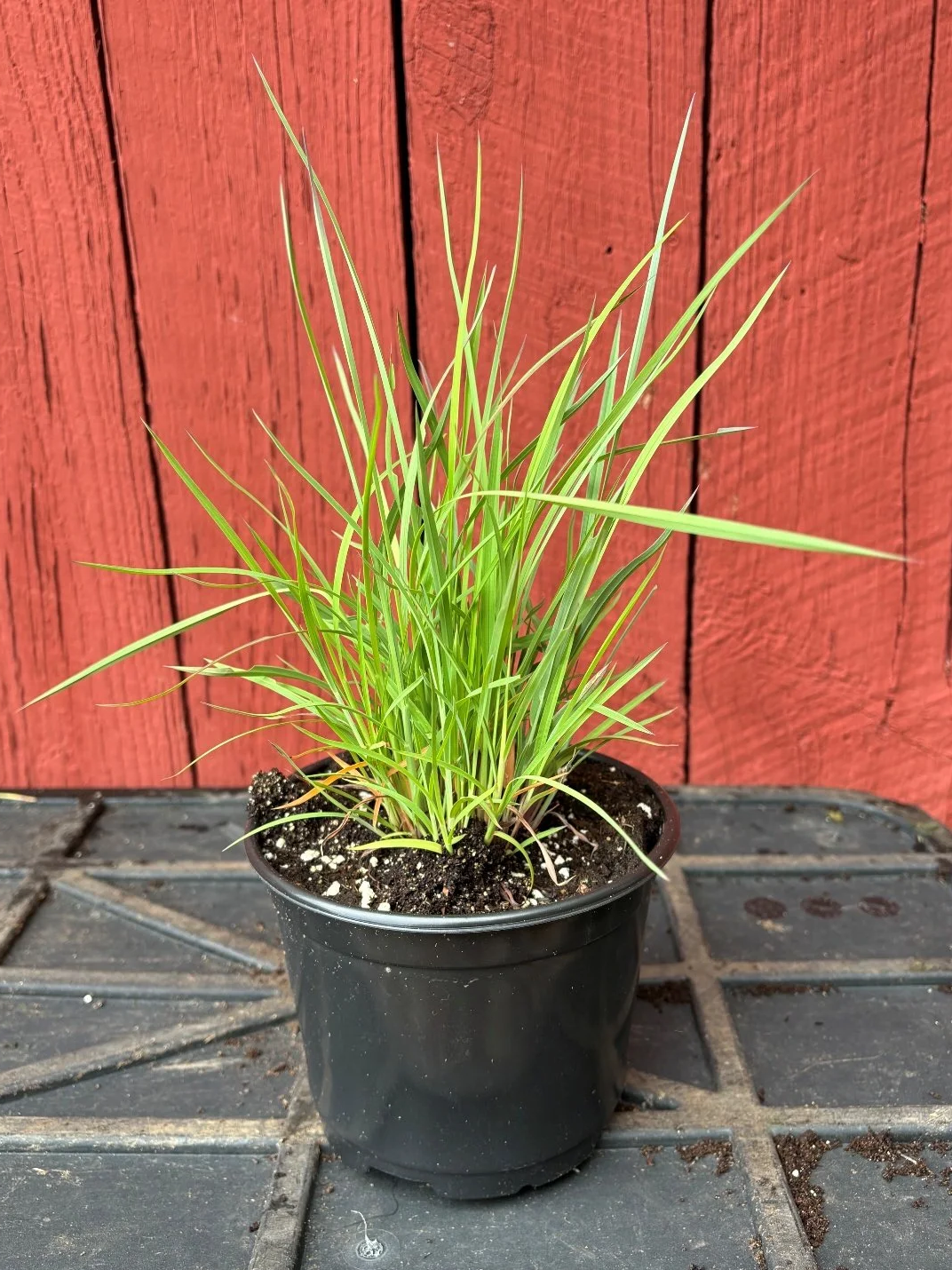 Image 2 of 2
Little Bluestem is a native warm-season perennial grass found across much of North America. It is one of the most important prairie grasses and is widely used in native landscaping for its beauty, toughness, and wildlife value. All plants come in 1.5 quart pots.
Key facts:
Scientific name:Schizachyrium scoparium
Family: Poaceae
Height: Typically 2–4 feet (up to ~5 feet with seed heads)
Growth habit: Upright, clumping grass
Native range: Most of the eastern and central United States
Seasonal appearance:
Spring: Blue-green to gray-green basal growth
Summer: Upright green-blue stems
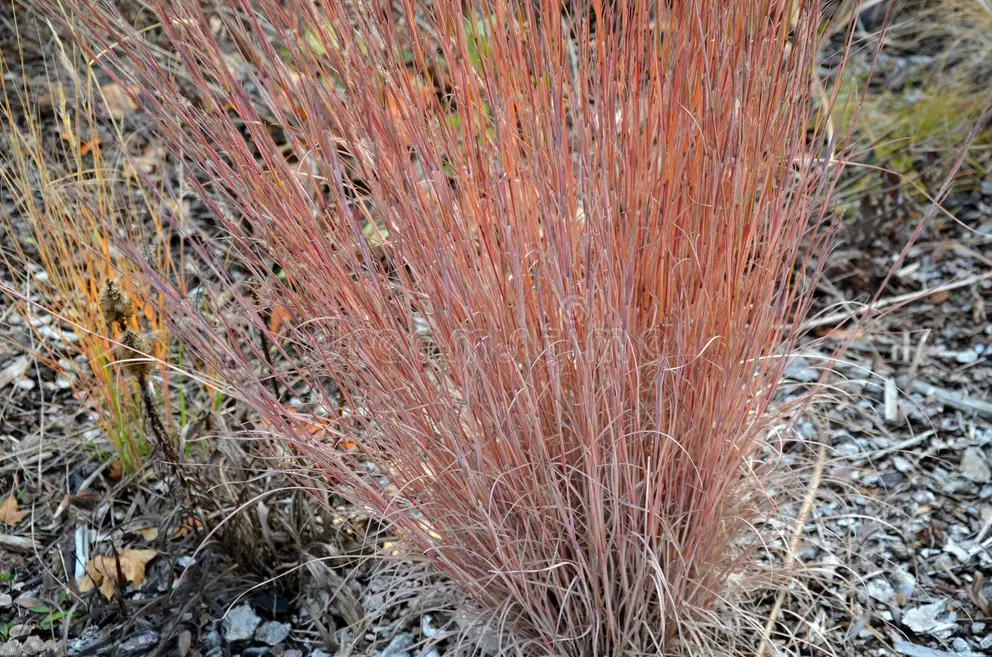
Fall: Brilliant orange, copper, red, and purple tones
Winter: Tan stems and fluffy seed heads that persist
Ecological importance:
Provides food and shelter for insects, birds, and small wildlife.
Seeds are eaten by songbirds such as sparrows and finches.
Host plant for several native butterfly and skipper species.
Deep root system improves soil health and prevents erosion.
Distinctive features:
Bluish base color in early season (“blue stem” name).
Slender, upright stems that form tidy clumps.
Soft, fuzzy seed heads that resemble “turkey foot” in winter.
Strong seasonal color changes, especially in fall.
Garden value:
Excellent for prairie gardens, meadows, and low-maintenance landscapes.
Extremely drought tolerant once established.
Provides year-round visual interest and structure.
Works well with native wildflowers like purple coneflower, blazing star, and goldenrod.
Summary:
Little bluestem is a hardy native grass known for its changing seasonal colors, strong structure, and ecological value. It is a cornerstone species of North American prairies and a top choice for sustainable, wildlife-friendly landscaping.
Little Bluestem is a native warm-season perennial grass found across much of North America. It is one of the most important prairie grasses and is widely used in native landscaping for its beauty, toughness, and wildlife value. All plants come in 1.5 quart pots.
Key facts:
Scientific name:Schizachyrium scoparium
Family: Poaceae
Height: Typically 2–4 feet (up to ~5 feet with seed heads)
Growth habit: Upright, clumping grass
Native range: Most of the eastern and central United States
Seasonal appearance:
Spring: Blue-green to gray-green basal growth
Summer: Upright green-blue stems
Fall: Brilliant orange, copper, red, and purple tones
Winter: Tan stems and fluffy seed heads that persist
Ecological importance:
Provides food and shelter for insects, birds, and small wildlife.
Seeds are eaten by songbirds such as sparrows and finches.
Host plant for several native butterfly and skipper species.
Deep root system improves soil health and prevents erosion.
Distinctive features:
Bluish base color in early season (“blue stem” name).
Slender, upright stems that form tidy clumps.
Soft, fuzzy seed heads that resemble “turkey foot” in winter.
Strong seasonal color changes, especially in fall.
Garden value:
Excellent for prairie gardens, meadows, and low-maintenance landscapes.
Extremely drought tolerant once established.
Provides year-round visual interest and structure.
Works well with native wildflowers like purple coneflower, blazing star, and goldenrod.
Summary:
Little bluestem is a hardy native grass known for its changing seasonal colors, strong structure, and ecological value. It is a cornerstone species of North American prairies and a top choice for sustainable, wildlife-friendly landscaping.