
 Image 1 of 2
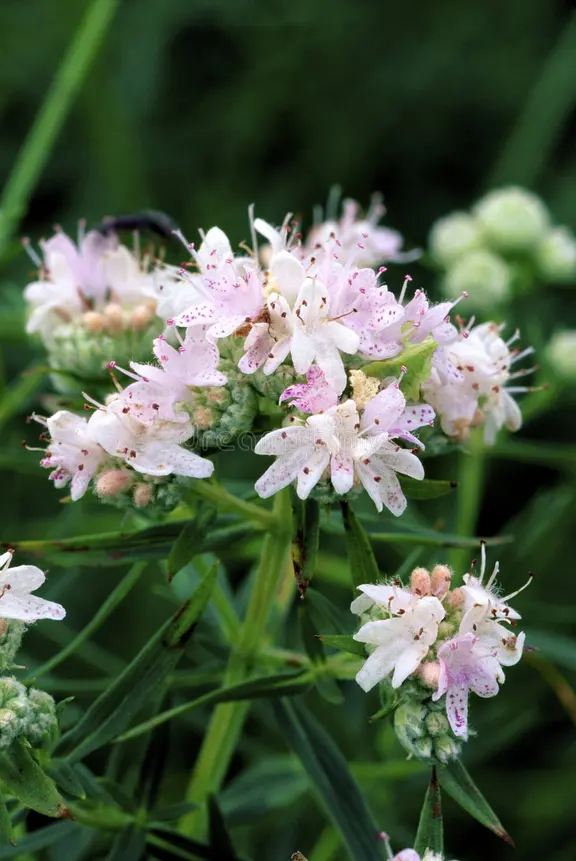 Image 2 of 2
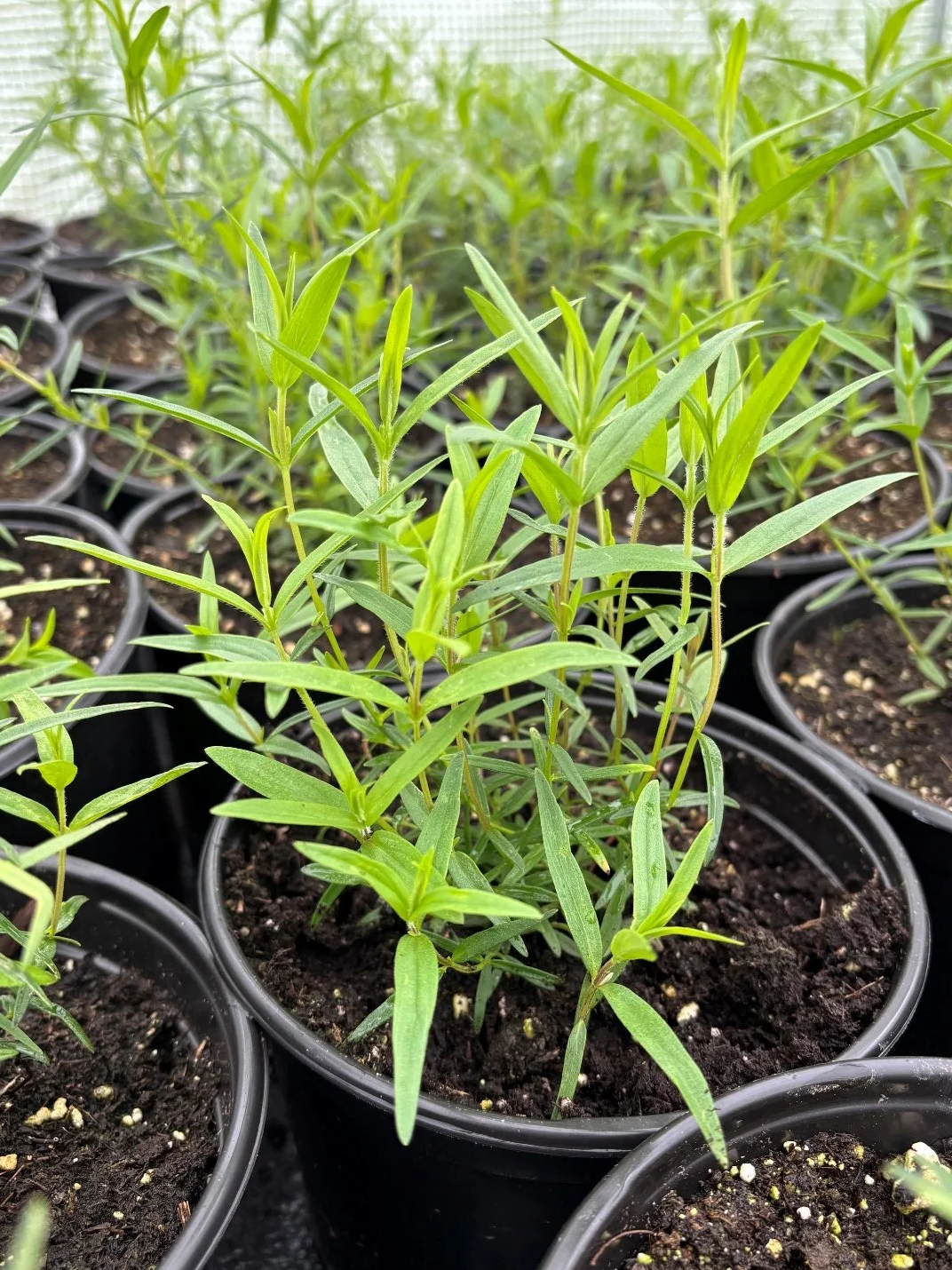
Common Mountain Mint is a native perennial wildflower in the mint family known for its strong fragrance, dense clusters of small white flowers, and exceptional value to pollinators. All plants come in 1.5 quart pots.
Key facts:
Scientific name:Pycnanthemum virginianum
Family: Lamiaceae
Height: Typically 2–4 feet (0.6–1.2 m)
Bloom time: Mid to late summer
Flower color: Small white flowers often dotted with purple or pink markings
Habitat: Wet meadows, prairies, stream edges, and open woodlands
Growing conditions: Full sun to partial shade; prefers moist but adaptable soils
Ecological importance:
One of the top native nectar plants for bees, butterflies, wasps, and beneficial insects.
Attracts an unusually wide diversity of pollinators at once.
Provides critical mid-to-late summer food resources in native ecosystems.
Distinctive features:
Dense, flattened clusters of tiny flowers that look like frosted white “clouds.”
Strong minty aroma when leaves are crushed.
Square stems typical of mint-family plants.
Often forms colonies through spreading rhizomes.
Garden value:
Excellent for pollinator gardens, rain gardens, and native meadow plantings.
Low maintenance once established and highly resilient.
Can spread, so it is best used where it has room to naturalize.
Summary:
Common Mountain mint is a highly aromatic native wildflower that produces masses of small white blooms and serves as one of the most powerful pollinator magnets in North American native plant communities. Its adaptability and ecological value make it a standout species for wildlife-friendly landscaping.
Common Mountain Mint is a native perennial wildflower in the mint family known for its strong fragrance, dense clusters of small white flowers, and exceptional value to pollinators. All plants come in 1.5 quart pots.
Key facts:
Scientific name:Pycnanthemum virginianum
Family: Lamiaceae
Height: Typically 2–4 feet (0.6–1.2 m)
Bloom time: Mid to late summer
Flower color: Small white flowers often dotted with purple or pink markings
Habitat: Wet meadows, prairies, stream edges, and open woodlands
Growing conditions: Full sun to partial shade; prefers moist but adaptable soils
Ecological importance:
One of the top native nectar plants for bees, butterflies, wasps, and beneficial insects.
Attracts an unusually wide diversity of pollinators at once.
Provides critical mid-to-late summer food resources in native ecosystems.
Distinctive features:
Dense, flattened clusters of tiny flowers that look like frosted white “clouds.”
Strong minty aroma when leaves are crushed.
Square stems typical of mint-family plants.
Often forms colonies through spreading rhizomes.
Garden value:
Excellent for pollinator gardens, rain gardens, and native meadow plantings.
Low maintenance once established and highly resilient.
Can spread, so it is best used where it has room to naturalize.
Summary:
Common Mountain mint is a highly aromatic native wildflower that produces masses of small white blooms and serves as one of the most powerful pollinator magnets in North American native plant communities. Its adaptability and ecological value make it a standout species for wildlife-friendly landscaping.